Table of Contents
What Is a Technical Manual
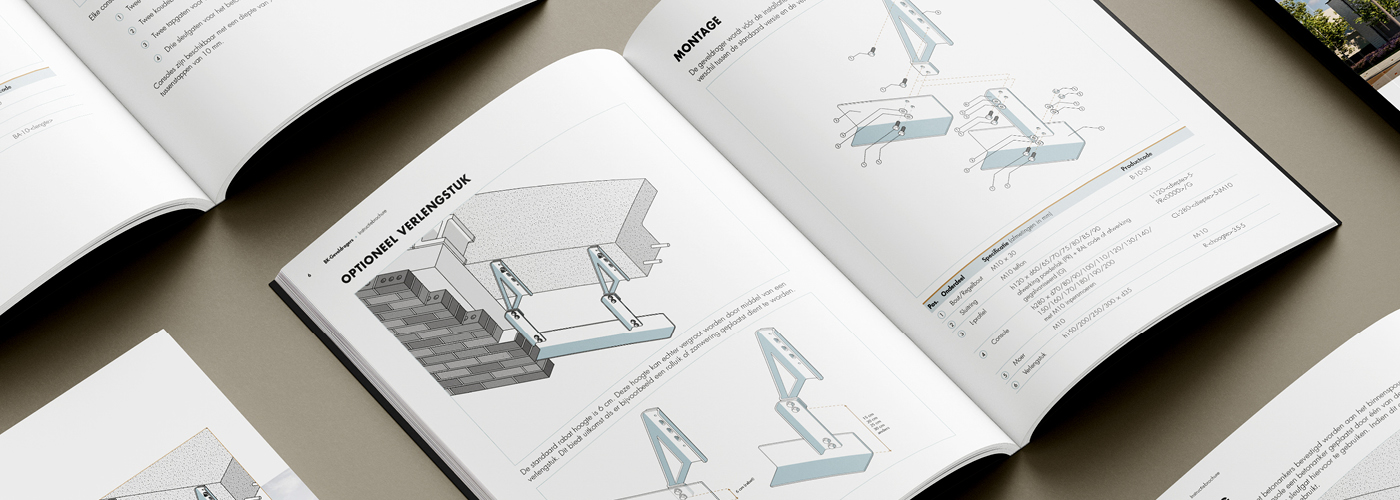
A technical manual is a document that explains step by step how to install, use, maintain or repair a product. Examples include machines, electronic devices or installations. When you create a technical manual, you make complex technology accessible to a wide audience. You help users operate the product correctly and prevent misuse or damage.
Why Create Technical Manual Content
To create technical manual documentation is often a legal requirement, but it also offers practical benefits:
- You prevent accidents and injuries through clear safety instructions
- You reduce product damage by encouraging correct use
- You lower the number of service requests and malfunctions
- You comply with national and international regulations, such as the Machinery Directive or NEN 5509 (note: only available in Dutch)
Without a clear manual, you as a manufacturer or supplier may face risks such as claims or penalties. Therefore, it is essential to create documentation properly.
What Should a Technical Manual Include
When you create a technical manual, you must comply with laws and standards. Guidelines such as the Machinery Directive and standards like NEN 5509 provide clear requirements. According to these, a technical manual should include at least the following elements:
- Technical specifications
All relevant product data, such as dimensions, weight and power consumption. - Precautions and safety instructions
Explanation of safe use, warnings and required personal protective equipment. - Product description and composition
An overview of components, functions and how the product works. - Assembly, installation and commissioning
Clear instructions on how to assemble and connect the product safely and correctly. - Operation and use
Step-by-step instructions for daily use, including tips for optimal results. - Maintenance and maintenance schedule
Information about regular maintenance, inspections and when to replace parts. - Decommissioning
Explanation of how to safely take the product out of service. - Disassembly, demolition, storage and transport
Instructions for safely dismantling, demolishing of or storing the product. - Troubleshooting and repair
Overview of common problems and solutions, including simple repairs. - Environmental aspects
Advice on environmentally responsible use and waste processing. - Disposal
Guidelines for responsible disposal at the end of the product’s life cycle.
Writing for Your Target Audience
When you create a technical manual, you must consider the user. Not every reader has the same background or technical knowledge. Adapt the language and explanations to the target group. A consumer needs different information than an installer or maintenance technician.
- Analyse the target group: consider age, education level, language skills and experience
- Use clear and simple language: avoid unnecessary jargon or explain it immediately
- Use concrete examples: describe recognisable situations or scenarios
- Keep the text concise: avoid long sentences and use active phrasing
By doing this, you increase the chance that your message is understood and followed correctly.
The Importance of Illustrations in a Technical Manual
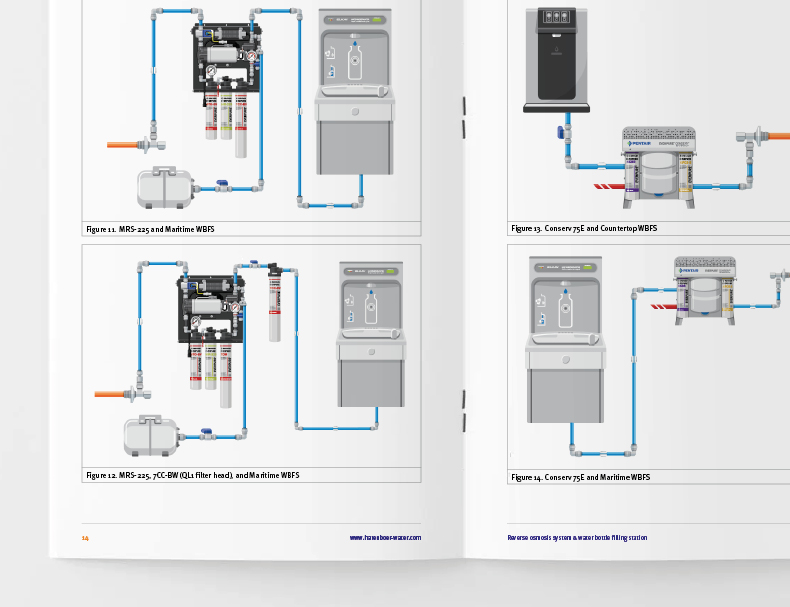
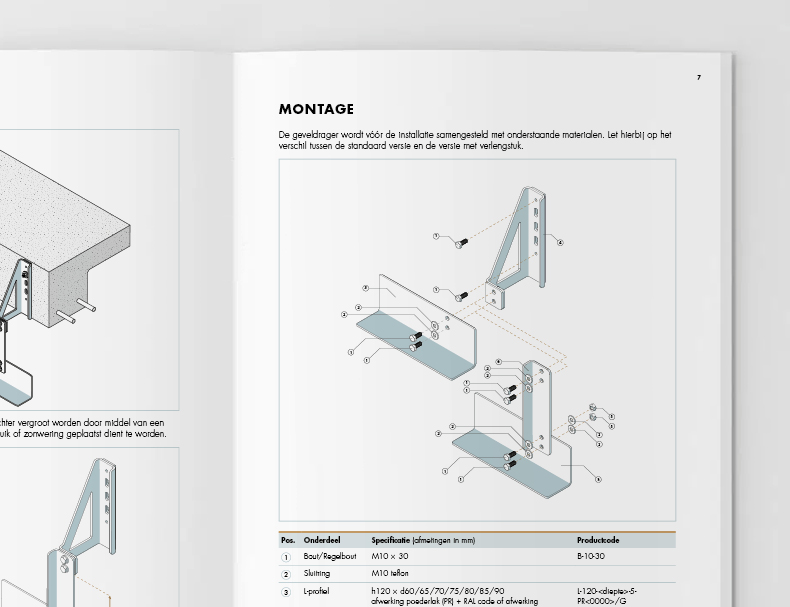
Images often communicate more effectively than words. Illustrations are therefore an essential part when you create a manual. They clarify instructions, show components and support written explanations.
Advantages of Illustrations:
- They make complex actions easier to understand
- They reduce the time needed to understand a task
- They are language-independent
- They help maintain the user’s attention
For many users, including an estimated 6.5 million people with low literacy skills in the UK, illustrations are essential to follow instructions. Therefore, use clear, standardised images and ensure each image directly supports the text.
New Techniques and Media for Manuals
Traditionally, a technical manual is provided as a printed document. However, digitalisation offers new and more efficient ways to provide information:
- QR codes on products linking directly to digital manuals, videos or apps
- Instructional videos that show use or maintenance step by step
- Interactive manuals on websites or apps where users quickly find relevant information
When you create a technical manual, it is wise to offer both printed and digital versions. This increases accessibility and reaches more users.
Step-by-Step Plan: Create a Technical Manual
A structured approach helps you create technical documentation that is clear and complete. Follow these steps:
- Define the Content
Collect all relevant product information. Consult experts such as engineers, designers and service technicians. - Define the Format and Style
Choose a clear structure and layout. Decide how text and illustrations support each other. - Compile the Manual
Combine text and visuals into a logical whole. Ensure alignment with the target audience. - Check Completeness and Clarity
Test the manual with users from the target group. Adjust where needed. - Publish and Maintain
Deliver the manual in the required formats and keep it up to date when the product changes.
Do It Yourself or Get Expert Support
It’s clear: creating technical documentation is essential for safe and efficient product use. By complying with legal requirements and focusing on clear, audience-oriented communication, you prevent errors and accidents. Illustrations and digital tools improve accessibility and usability.
If you want to create technical manuals yourself, follow the steps in this article. This helps you build a solid foundation for usability, safety and customer satisfaction.
Prefer expert support? Manualise is happy to help you create, improve or translate your technical documentation.