What Are Instructions for Use
User instructions contain the information required to install, operate, manage or maintain a product or system safely and correctly.
Examples include products such as an electric lawn mower or a household ventilation system. Instructions may also apply to larger systems, such as automated irrigation systems that monitor and control crop watering in agricultural environments.
The goal of instructions for use is straightforward: to guide users so they can operate the product safely, efficiently and without confusion.
Instructions for Use or Manual: What Is the Difference
The terms instructions for use and manual are often used interchangeably. Both refer to documentation that explains how to operate a product or system. There is, however, a slight distinction.
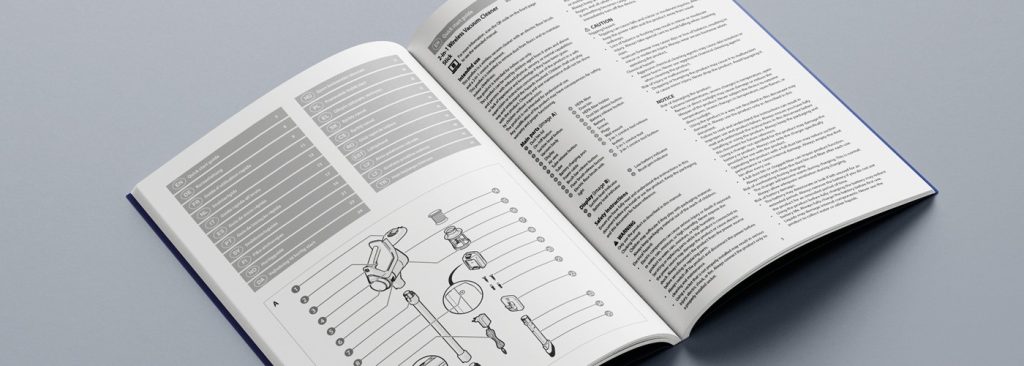
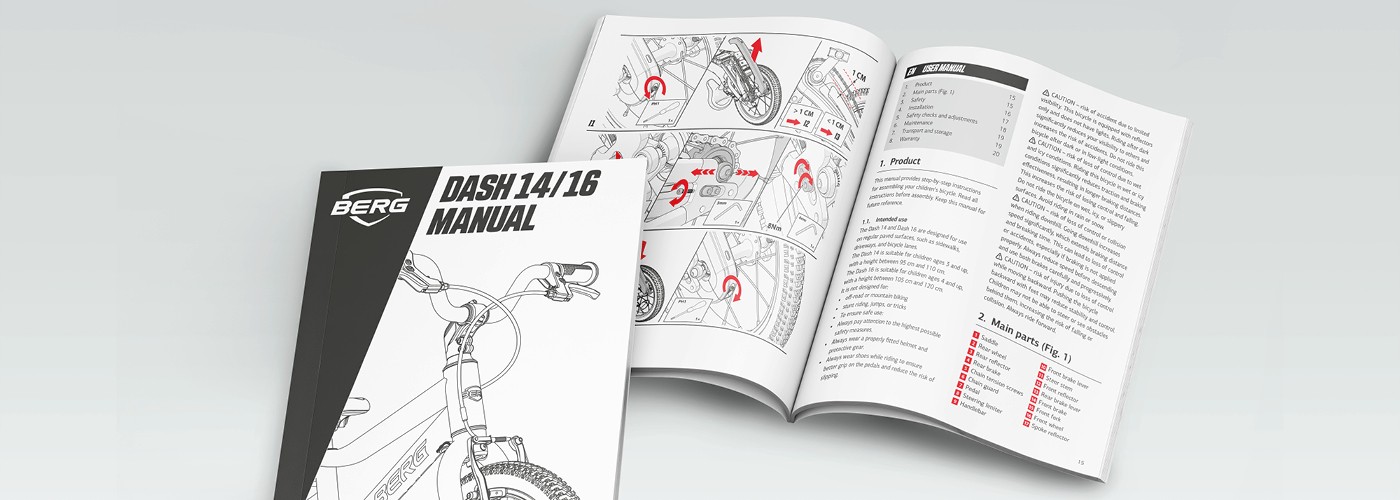
- A manual is typically more comprehensive. In addition to operating instructions, it may include installation procedures, maintenance guidance and detailed safety information.
- Instructions for use are generally more concise and focus primarily on how to operate the product in everyday situations.
Regardless of terminology, the objective remains the same: providing users with clear and reliable guidance for safe product use.
Why Directions for Use Are Essential
Without clear instructions, users may make unnecessary mistakes or expose themselves to risk.
Consider a pressure washer. Without proper guidance on water pressure or spray distance, a user could damage delicate surfaces or even cause injury. Clear instructions explain not only how to operate the product, but also which actions to avoid.
For this reason, well-structured instructions for use are not only useful but often essential. Whether the product is a simple household appliance or a complex technical system, good documentation prevents errors and improves safety.
The main reasons why a product requires well-developed, error-free documentation are outlined below:
- Legal requirements: For many products—such as electrical devices and medical equipment—directions for use are legally required. Without adequate documentation, products may fail to comply with European product regulations.
- Ensuring safety: Products with electrical or mechanical components require clear safety guidance. Users must understand both correct operation and potential hazards.
Example warning:
DANGER – Risk of electric shock
Never use this device in damp or wet environments. Contact with water may cause short circuits or electric shock. - Reducing operational costs: Every support request, product return or complaint creates additional costs. Clear instructions reduce the need for customer support.
- Improving customer satisfaction: Confusing instructions quickly lead to frustration. Clear explanations improve the overall user experience.
- Strengthening brand trust: Professional documentation reflects the quality of the product itself. Clear and well-designed instructions increase confidence in the brand.
Different Forms of User Instructions
Most instructions for use contain the same basic elements, from installation to disposal. The difference lies primarily in how the information is presented.
Some instructions rely almost entirely on illustrations, as seen with IKEA furniture. Others combine text and visuals to explain more complex procedures and safety requirements. When safety is involved, written explanations are often necessary to avoid ambiguity.
Instructional Videos as a Supplement
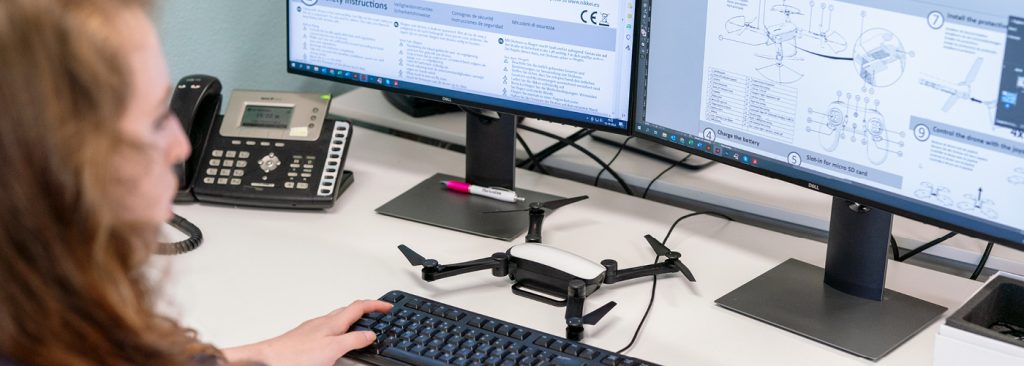
Many organisations complement written instructions with instructional videos. Video can help demonstrate complex procedures in a clear and visual way.
However, videos rarely replace written operational steps entirely. Not all users will search for a video, and European legislation requires essential safety instructions to be provided directly with the product—typically in printed form.
Regardless of whether instructions are delivered in print, video or digital form, clarity and structure remain essential for safe product use.
Writing Instructions for Use Yourself
If you plan to write operating instructions yourself, pay attention to the following aspects:
- Structure: ensure a clear layout so users can easily locate the required information
- Language: write clearly, actively and with the user in mind
- Illustrations: use visuals to clarify instructions
- Translation: ensure documentation is available in the appropriate languages when selling internationally
The following sections provide further guidance on each of these aspects.
For more information on documentation design, read our article “Designing a Manual”, which explains how to design documentation in five practical steps.
Structure According to NEN 5509
A clear structure is essential for effective procedures. Logical chapters and clearly defined sections allow users to locate information quickly— specially in situations where stress increases the risk of errors.
The Dutch standard NEN 5509 provides valuable guidance for structuring technical documentation. It defines how information should be organised, written and presented. According to NEN 5509, effective instructions for use should include at least the following elements:
- Product description – overview of components, functions and structure
- Technical specifications – such as dimensions, weight, connection values and compatibility
- Precautions and safety instructions – including warnings and safety symbols
- Assembly, installation and commissioning – instructions for safe setup
- Operation and use – step-by-step explanation of daily operation
- Maintenance and maintenance schedule – cleaning, inspection and replacement of components
- Disassembly, disposal, storage and transport – safe handling and transport
- Troubleshooting and repair – guidance when problems occur
- Disposal – environmentally responsible product disposal
- Environmental information – recycling, energy consumption and packaging information
The troubleshooting section deserves special attention. When a product fails to operate as expected, this is often the first section users consult. Information must therefore be clear, direct and immediately applicable.
Applying the NEN 5509 structure consistently improves usability and supports professional documentation standards.
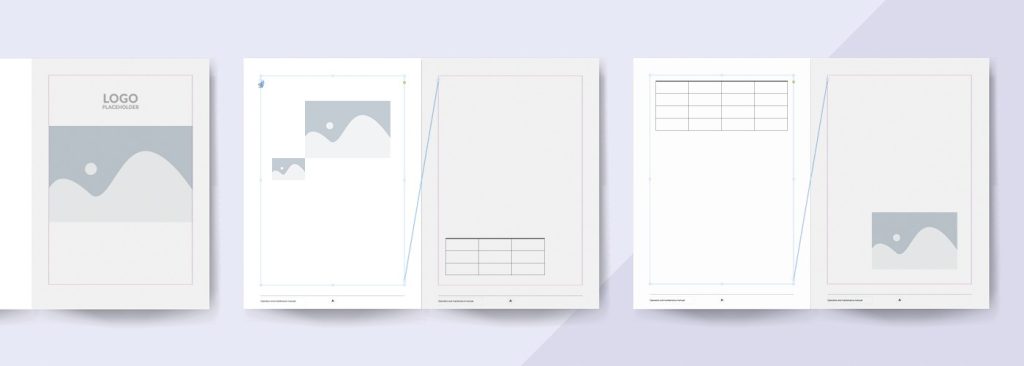
If you plan to produce multiple documents, using templates is recommended. Templates ensure consistency and simplify documentation management. Read more about templates in our article ‘Develop a Template’.
Language Use: Clear, Active and User-Focused
Instructions are effective only when users understand them immediately. Clear language is therefore essential.
When writing instructions for use, follow these guidelines:
- Use active voice Connect the device” is clearer than “The device must be connected.”
- Adapt the tone to the user Consumer documentation should use simple language, while professional users may require more technical detail.
- Keep sentences conciseShort sentences reduce the risk of misunderstanding.
- Use familiar terminologyFor example, write “power button” rather than “voltage regulator”.
Procedures should always be written for the user, not for engineers or product designers.
| Poor example | Improved example |
| Prior to installation, one must check whether the ambient temperature does not exceed the recommended value of 20°C. | Before installation, check that the temperature is below 20°C. |
Strengthening Instructions for Use with Illustrations
Illustrations are one of the most effective tools in technical documentation. Why?
They provide several advantages:
- Images accelerate user understanding
- Visual communication transcends language barriers
- Illustrations reduce the risk of misinterpretation
For example, instead of writing “Insert the plug into the socket”, an illustration can show the action directly with a confirmation symbol. This approach also supports users with limited reading skills or different language backgrounds.
Illustrations should always be professionally designed and accurately represent the product.
Effective Illustrations Without High Costs
Illustrations do not necessarily require significant investment. Production drawings can often be adapted for documentation purposes. Common adjustments include adding arrows to indicate actions, highlighting components with contrast lines and applying subtle colours to improve clarity.
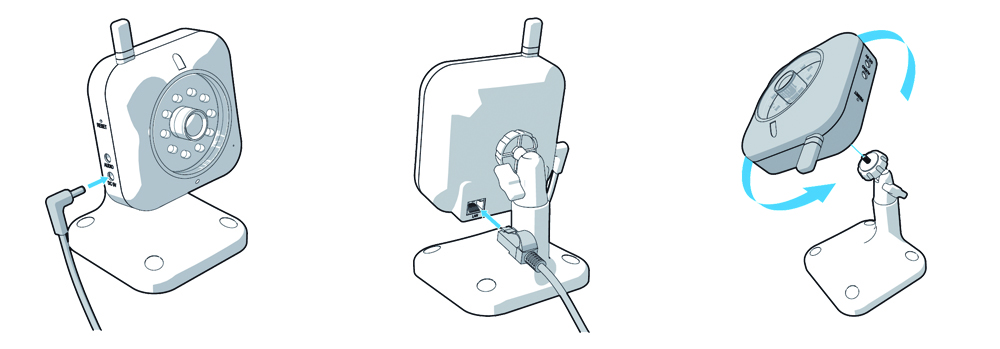
Photographs are generally less effective than drawings because background details may distract from the main action. Illustrations focus attention on the relevant elements.
If production drawings are unavailable, illustrations can be created from photographs while removing unnecessary visual information.
Translation and Localisation
When products are sold internationally, accurate translation of documentation is essential. Literal translation alone is not sufficient. The content must remain technically accurate while also reflecting the cultural expectations of the target audience.
This process involves both translation and localisation.
Work with translators who have expertise in technical documentation. They ensure accurate terminology while adapting tone and style to local users. By translating with attention to context and audience, instructions remain clear and effective in every language. For more information, read our article “Translating a User Manual.”
Writing Manuals: Support from a Specialist (Including a Free Downloadable Checklist)
It’s clear: Instructions for use are an essential part of both the product and the user experience. Investing in high-quality documentation benefits both users and manufacturers. Clear structure, concise language and visual support help prevent errors, strengthen user confidence and enhance brand reputation.
To help you get started, we have summarised the key insights from this article in a practical checklist.
Support from a Specialist
Planning to develop one or more sets of instructions for use yourself? Manualise offers single-source publishing software under licence, enabling efficient management of technical documentation. Want to know more about content management and single-source publishing? Check our video.
Prefer professional support? Manualise has more than 15 years of experience developing user-friendly manuals and instructions for use for a wide range of products and industries.