What Is a user Manual
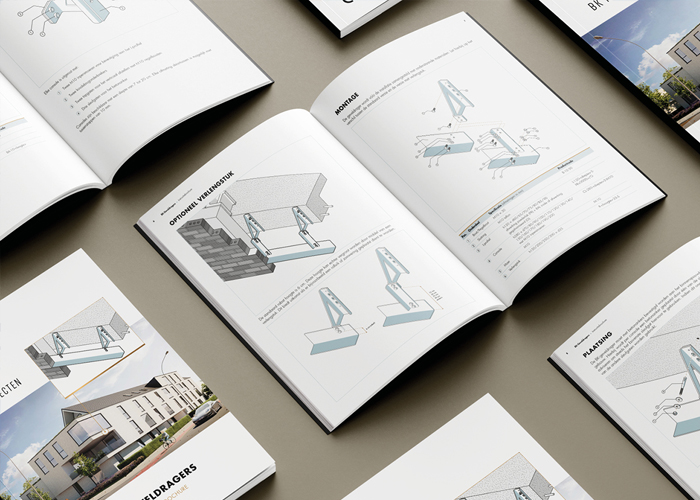
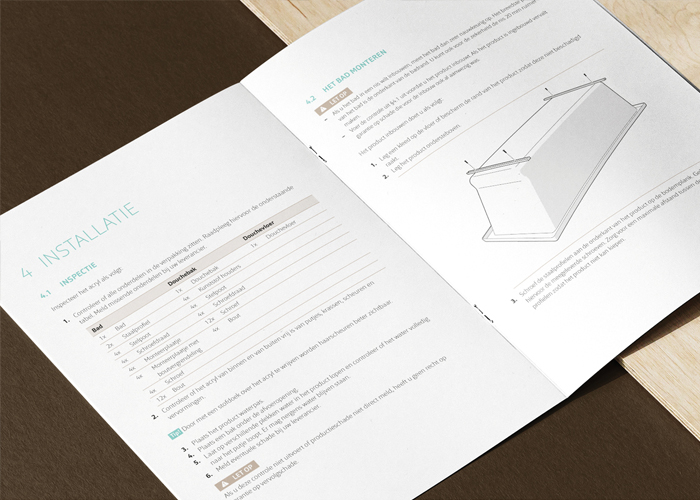
A user manual explains how a product works and how to use it safely and correctly. It supports users during daily operation and helps prevent errors, damage and unsafe situations. Not all manuals serve the same purpose. Some focus on installation, maintenance or troubleshooting. A user manual, however, centres on everyday use. It guides users step by step through operating functions, settings and interfaces.
Its primary objective is clear: to enable safe, efficient and independent use. Whether setting up a coffee machine or navigating complex control software, the user manual provides the necessary structure and clarity.
Terms such as user guide or operation manual are often used interchangeably. In this article, they all refer to documentation intended to support daily product use.
Types of User Manuals
User manuals vary depending on the product and its audience. The main distinction lies between consumer and professional documentation.
Consumer User Manuals
Consumer-focused manuals address a broad audience. They explain the use of everyday products such as washing machines, vacuum cleaners or software applications. Because users differ in experience and technical knowledge, these manuals often include detailed, step-by-step explanations. Even seemingly obvious actions are described clearly to avoid misunderstandings.
Professional User Manuals
Professional user manuals target trained or technically skilled users. Examples include flight manuals or operating manuals for CNC machines. These documents are typically more concise and technical. They assume prior knowledge and focus on precise operational instructions. Fundamental concepts do not require explanation, which allows for a more direct style.
Formats and Practical Use
Traditionally, a user manual was provided in printed form. Today, digital formats are standard. Most manuals are available as PDF files or through online platforms.
Many products also include a printed quick start guide. This concise document helps users begin immediately and refers to the full user manual for detailed information.
Instructional videos are increasingly used as a complementary format. They are particularly effective for complex or high-risk procedures. Visual demonstrations can clarify actions that are difficult to describe in words, such as operating a specific sequence of controls or locking a mechanism correctly.
Regardless of format, a user manual must enhance safety and usability. The right combination of print, digital and visual formats improves the overall user experience. Want to learn more about the role of user documentation in the customer journey? Then read our article “10 ways to improve the customer journey.”
Use in Practice
A user manual is effective only if it is accessible when and where it is needed. This requirement is often underestimated. In environments such as cockpits, control rooms, production facilities or field installations, users must have direct access to relevant instructions. Digital access is suitable when reliable hardware is available. If access cannot be guaranteed, a printed manual remains essential.
For this reason, many control cabinets still contain physical documentation. Printed manuals function independently of power supply or network access and remain available under all conditions.
Quality Requirements
A professional user manual meets clear quality standards. These standards ensure that the document truly supports the user and focus on findability, relevance of information, usability and legal compliance.
1. Findability
Users must be able to locate information quickly. A logical structure and detailed table of contents are essential. Clear numbering down to subsection level improves navigation, for example:
1 Getting started with the printer
1.2 Installing ink cartridges
1.2.4 Printing a test page
A structured layout reduces frustration and increases efficiency.
2. Appropriate Level of Detail
The level of detail must match the target audience. Overly detailed explanations can overwhelm experienced users. Insufficient detail can cause errors. An effective user manual strikes the right balance: clear for beginners and concise for professionals.
Are you unsure whether your manual matches your target audience? Then test it in practice. Want to learn more about user research? Read our article “User Study: The Key to Effective Manuals.”
3. Usability
Clarity and consistency determine usability. This includes plain and precise language, consistent terminology, logical sequencing of steps and visual elements such as icons or symbols.
A well-designed user manual not only informs but actively prevents mistakes. Want to learn more about these and other key aspects of writing a user manual? Then read our article “Creating a User Manual.”
Legal Requirements
Within the European Union, a user manual must comply with specific legal obligations defined in directives such as:
- Machinery Directive (2006/42/EC)
- Low Voltage Directive (2014/35/EU)
- EMC Directive (2014/30/EU)
These directives specify mandatory content, including:
- Safety warnings
- Residual risks
- Maintenance instructions
- Description of functions
Although the term “directive” may suggest flexibility, compliance is mandatory and enforced by national authorities. One advantage: A user manual that meets European requirements is often suitable for broader international use too, though local adaptations may still be necessary.
When in doubt, consult a documentation specialist to make sure your user manual complies meets all applicable legal requirements.
User Manuals Developed by Manualise
A user manual forms the link between manufacturer and user. It translates technical design into practical, safe and understandable instructions.
Manualise has been developing professional user manuals for more than 15 years. We combine technical accuracy with clarity and regulatory compliance. From concise quick start guides to comprehensive technical documentation, we ensure that your information is structured, consistent and aligned with your target audience.